Meals
Meals according to the camp program. Breakfasts and lunches, shared dinners on key days.
May 5 – 13, 2027
Registration open
Japan
A week when ancient Japanese wisdom on longevity meets modern science about your body and the latest technologies
Sign up2
Cities
7
Days

Japan ranks first in the world in life expectancy, and it’s not all about genetics. Diet, exercise, sleep, water, daily routines, and how people treat their own bodies come together to form a system that has been refined over centuries.
Today, technology has been integrated into this system. Japan is the first to bring to market what Europe will receive in a few years, and it does so not as an experiment for a select few, but as a daily habit for millions of people.
You’ll spend eight days immersed in this system. You’ll try things out, figure them out, adopt what works specifically for you, and return with a set of habits that you’ll maintain for years—not just for two weeks after a burst of inspiration.
You learn how your body actually works: energy, recovery, sleep, and the stress response. Specialists explain the mechanisms in clear, simple language, so you finally understand why some things work for you while others have failed for years.
We explore the hormonal system as one of the key drivers of how you feel. You discover what influences your energy, weight, libido, and the pace of ageing—and which daily habits affect these areas the most.
You complete a comprehensive introduction to biohacking led by Japanese and Ukrainian specialists: what is supported by evidence, what can produce noticeable results within a month, and what people often waste money on.
We examine nutrition based on your body and your age. Instead of counting calories, you identify what your body is lacking and what helps you stay energised and resilient.
You experience Japanese recovery technologies that are commonly available in urban studios there, while in Europe they are often marketed as premium treatments for a select few.
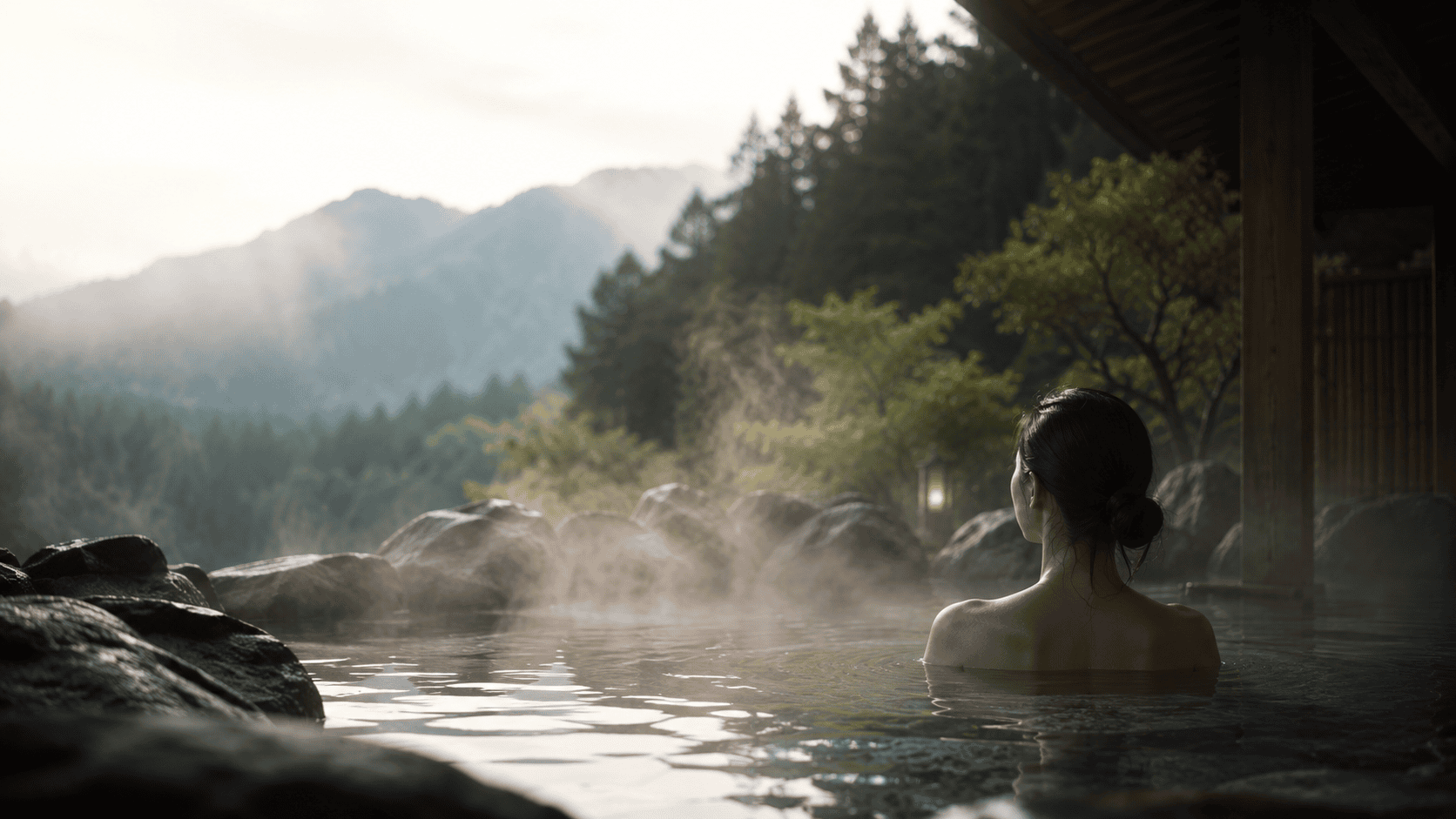
You practise with masters who preserve traditional methods: breathing techniques, bodywork, meditation, and onsen hot springs. You leave with several techniques that you can continue practising at home for just fifteen minutes a day.
On the final day, you create your own personalised protocol for the year ahead together with the specialists. You leave with a clear, practical plan—not just temporary inspiration.
We also explore Japanese longevity cuisine as a daily protocol and identify specific changes you can apply to your own diet at home.
15,000
EUR
Meals
Meals according to the camp program. Breakfasts and lunches, shared dinners on key days.

Transfers
All internal transfers: private buses, transfers, domestic flights, and high-speed trains.

Excursions
All excursions and visits to landmark places.

Activities
Signature camp activities: practices, body and attention work, cultural and integration blocks.

Guides
Professional guides in every city on the route.

Host
The host accompanies the camp throughout, keeping the experience whole, rhythmic, and deep.

Hotels
Accommodation in premium hotels carefully selected in each city on the route.
Business Networking
Building a community and connecting with active, valuable entrepreneurs on an international scale.
€15,000 per person. Included: accommodation at Six Senses Kyoto, meals according to the program, all activities, meetings with scientists, and personal support from the camp organizers. Up to 20 places at the end of March 2027. No group expansion and no exceptions.
I am Olena Fedorova, a Chinese philologist, Oriental studies specialist, and Chinese language interpreter. I lived in China for many years: I studied there, taught at a Chinese university, and worked in the local environment, observing the culture from within rather than from a tourist perspective.
At the same time, my path has been closely connected with the West, its mindset, business culture, and approach to life. It was at the intersection of these worlds — Eastern depth and Western diplomacy — that the idea of Dragon Camp was born.

You enter Japan’s culture of longevity through the people who practise it every day—not through a guidebook or an English-language tourist website.
Specialists, studios, masters, and places that international visitors cannot access on their own open their doors to you personally. This kind of access cannot simply be purchased with a ticket.
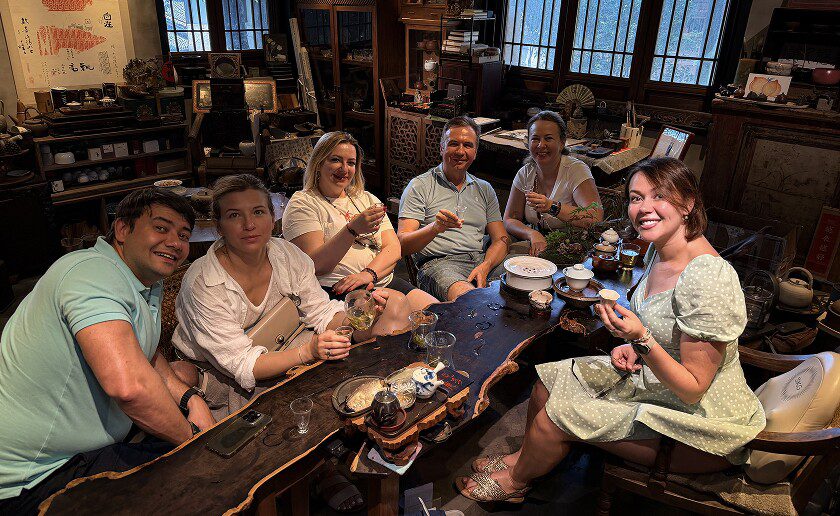
Your circle consists of 20 entrepreneurs—not random tourists. You return home with more than photographs: your body functions differently, and your team and family are the first to notice the change.

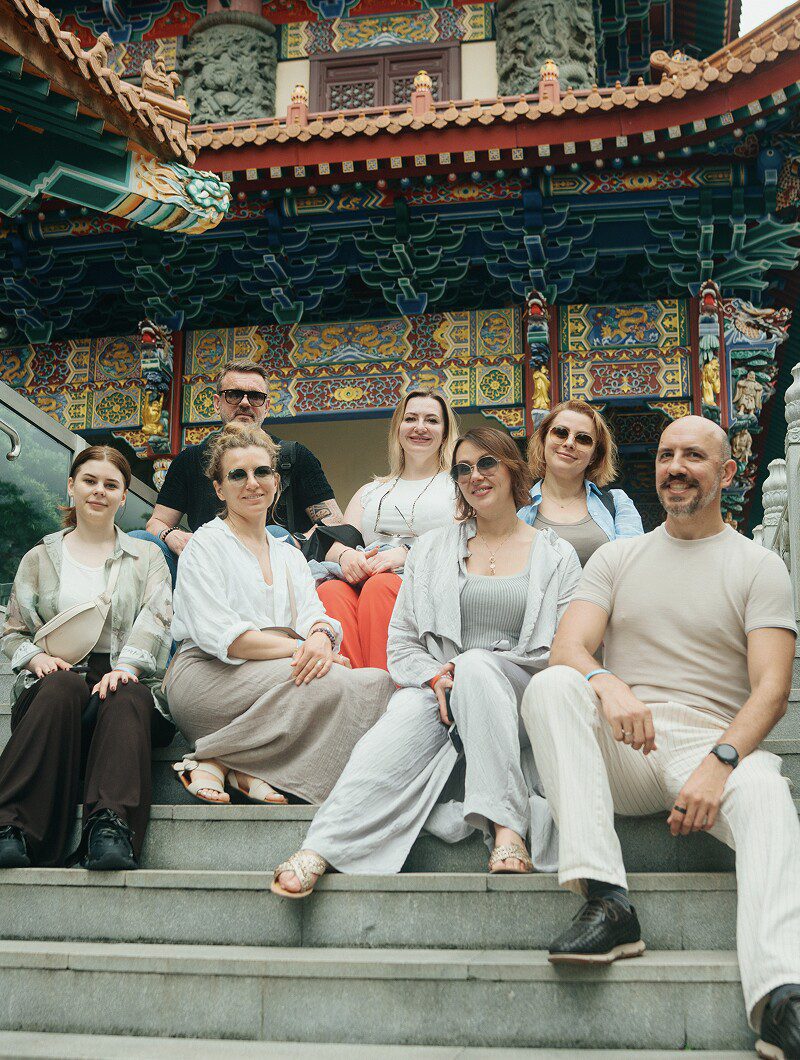
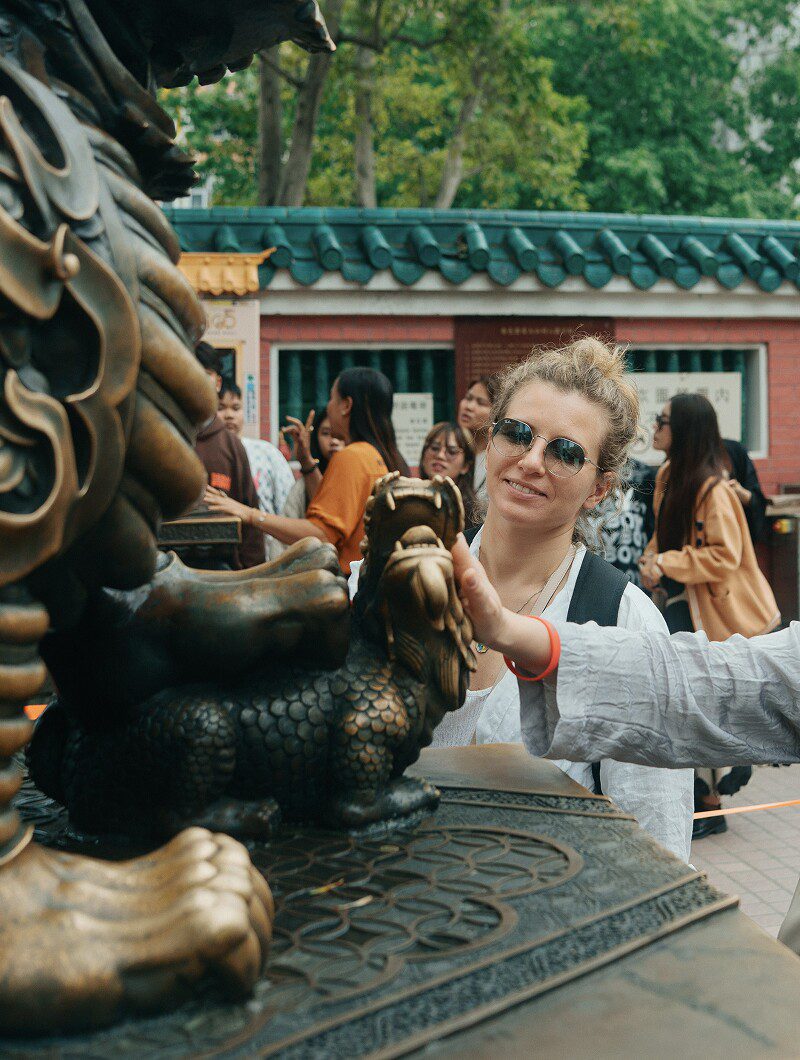
The best way to understand Dragon Camp is through those who have already experienced it.
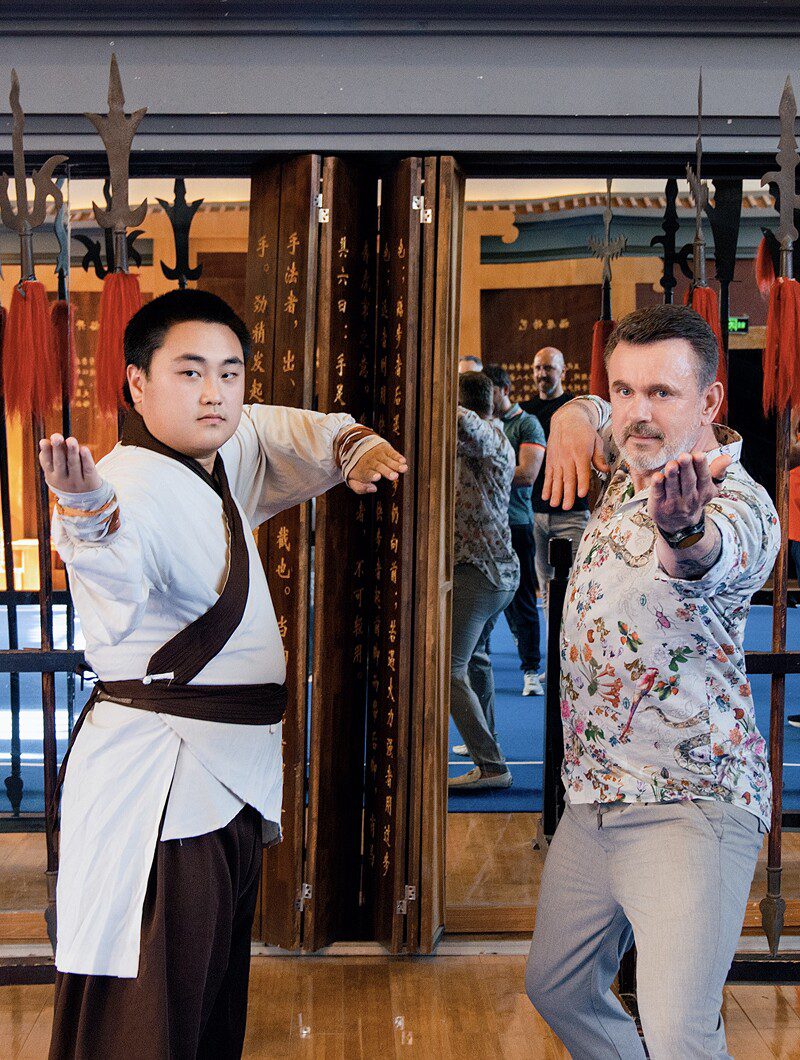
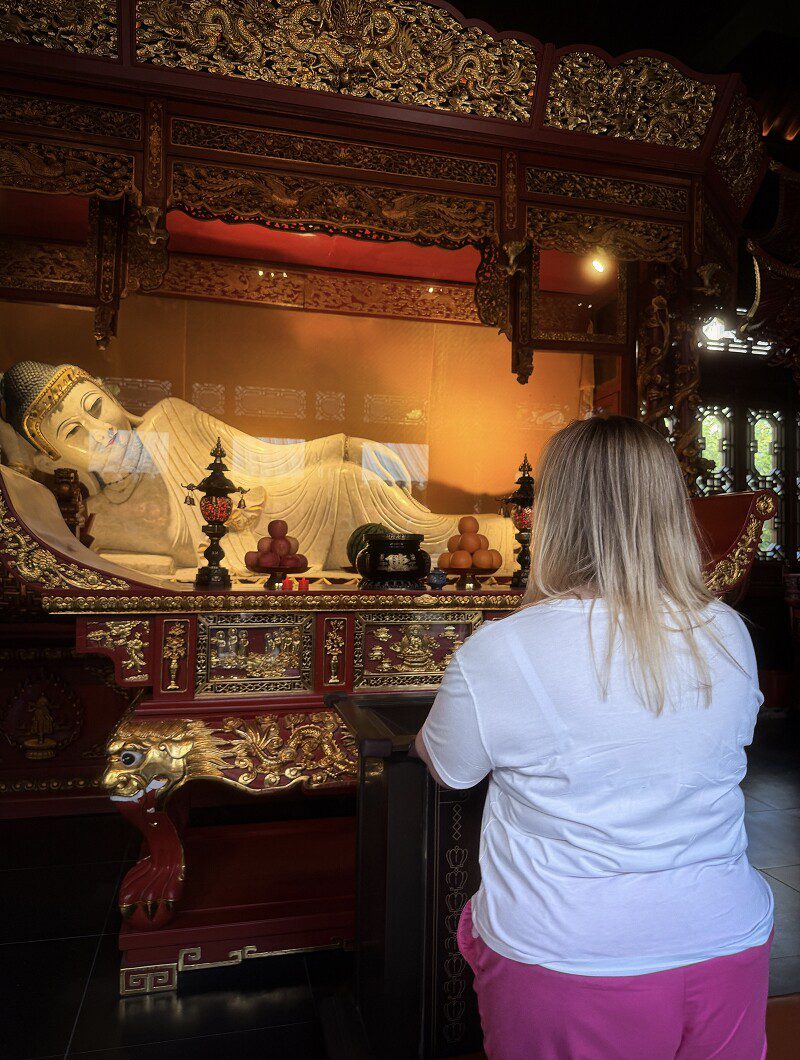
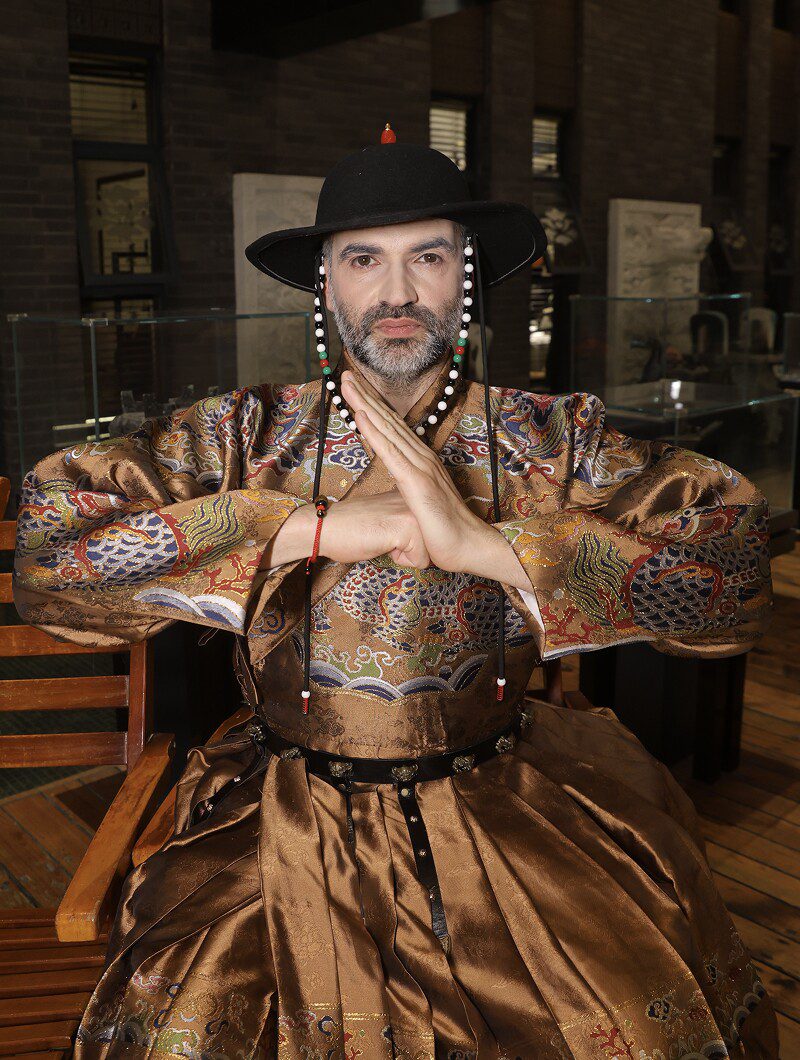
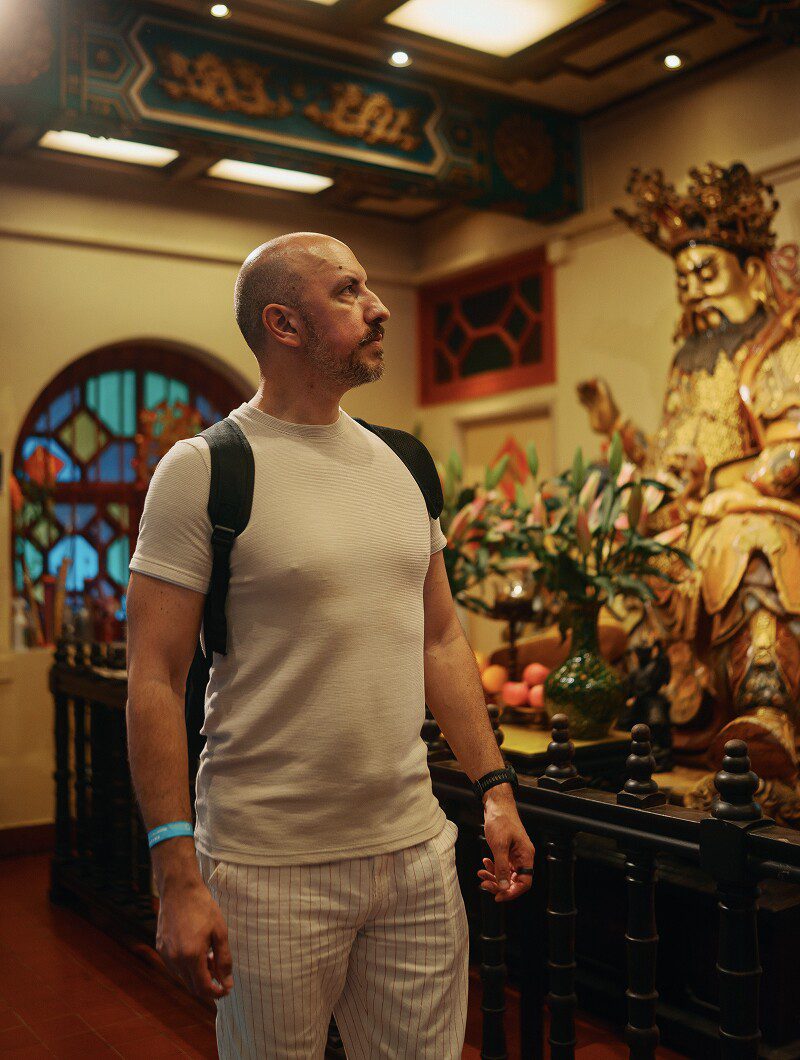
See what the camp looks like: cities, people, practices, and moments that stay with you for a long time.


No, knowledge of Chinese, Japanese or English is not required. Participants are accompanied by the Dragon Camp team throughout the entire trip, and translation services are provided during excursions, meetings, and activities. Basic English may be useful during free time, but it is not necessary for comfortably participating in the program.
A valid international passport is required to participate in the trip. Visa requirements depend on your destination and citizenship. Before your trip, we will be sure to verify the current requirements specifically for your passport, as rules may vary and are subject to change.
Curious, open-minded people who value comfort and share our values travel with us. Many of our guests are successful business representatives who want to immerse themselves in the atmosphere of the World's most interesting countries and cities.
A group usually consists of 15–20 people who, after our bootcamp, invariably become close friends for life.
Chinese and Japanese cuisines are among the richest and most delicious in the world. We will not make you try grasshoppers or scorpions unless you want to. We expect you will be pleasantly surprised by the variety and richness of Chinese and Japanese cuisines.
Our manager is always in touch to clarify all questions related to tickets and visas. We also send a detailed guide with recommendations on how to prepare for the trip — from choosing suitable clothing to weather information. Before the trip, we invite you to a shared chat where you can meet the other participants and discuss all details.
We offer several payment options so you can choose the most convenient one: 1. FOP invoice in Ukraine. 2. Card payment by link, including Apple Pay. 3. USDT. 4. Cash at our Berlin office. 5. Payment to a Chinese company in yuan, dollars, or euros. You can pay a 50% deposit when booking and the remaining 50% 30 days before the tour starts. Full payment at once (100%) is also possible.
By default, a tour booking is non-refundable, but we always do our best to return any refundable funds if the trip does not happen for reasons on your side.
We will suggest the best flight options based on the airport that is most convenient for you to depart from.
The program is quite intensive, so it is not designed for small children under 7. You should understand that this is not a beach holiday, but an active and exciting journey. We recommend bringing children only if they are ready for an intensive program.
No special physical preparation is required. Our trip is organized to suit people with different fitness levels, so you will be comfortable without any extra training.