Meals
Meals according to the camp program. Breakfasts and lunches, shared dinners on key days.

October 7–13, 2026
Registration open
China
Two poles of China in one camp: technologies ten years ahead of Europe and mountains from another world.
Sign up2
Cities
7
Days

You get into the back seat of a taxi. There’s no steering wheel. Behind the wheel is a driverless taxi that transports millions of people every day without ever getting distracted, losing its cool, or glancing at its phone.
The car pulls away through the streets of a city that, until now, had only existed for you in movies about the future. But now, it’s the view outside the window right next to you.
While your friends are showing each other a video titled “Driverless Taxi in China,” you’re actually riding in one—and filming your own video.
You order coffee through the app and look up. A drone appears over the park, descends, and hovers over the pickup point. A few more minutes—and the coffee is already warm in your hands.
In Europe, this is described as “the technology of the future” in lab presentations. In Shanghai, it’s just a regular coffee break—thousands of people do this every day without even realizing how incredible it is.
At the Guma Robotics lab, you pick up a remote control—and the robot dog moves at your command. What seems like a novelty now will, in a few years, become a familiar part of factories and everyday life—just like the smartphone once did. The difference is that you’ll get to experience it today, rather than reading about it in the news five years from now.
A 1920s mansion on Bund, once home to European bankers, now houses a premium showroom for the BYD automotive brand. The curator explains how, in just 10 years, China surpassed Tesla and German brands while Europe still considered it impossible. And then you get behind the wheel of a car that won’t hit European roads for another few years.
Dinner on a yacht on the Bund. On one side—the stone, imposing, historic European bank buildings from the early 20th century; on the other—the skyscrapers of Pudong, which burst into millions of lights every evening. You dine on the yacht between these two eras—the past that has been preserved and the future that has already arrived.
A Ukrainian who came to China and built a business from scratch sits down next to you and tells you everything: how to rent an office, how to negotiate with suppliers, where he lost money, and what ultimately worked out. It’s a one-on-one conversation with someone who has already walked the path you may be just about to embark on.
A show that exists only here. At the end—a Shanghai cultural show unlike any other in the world. It leaves a lasting impression for years after you return home.

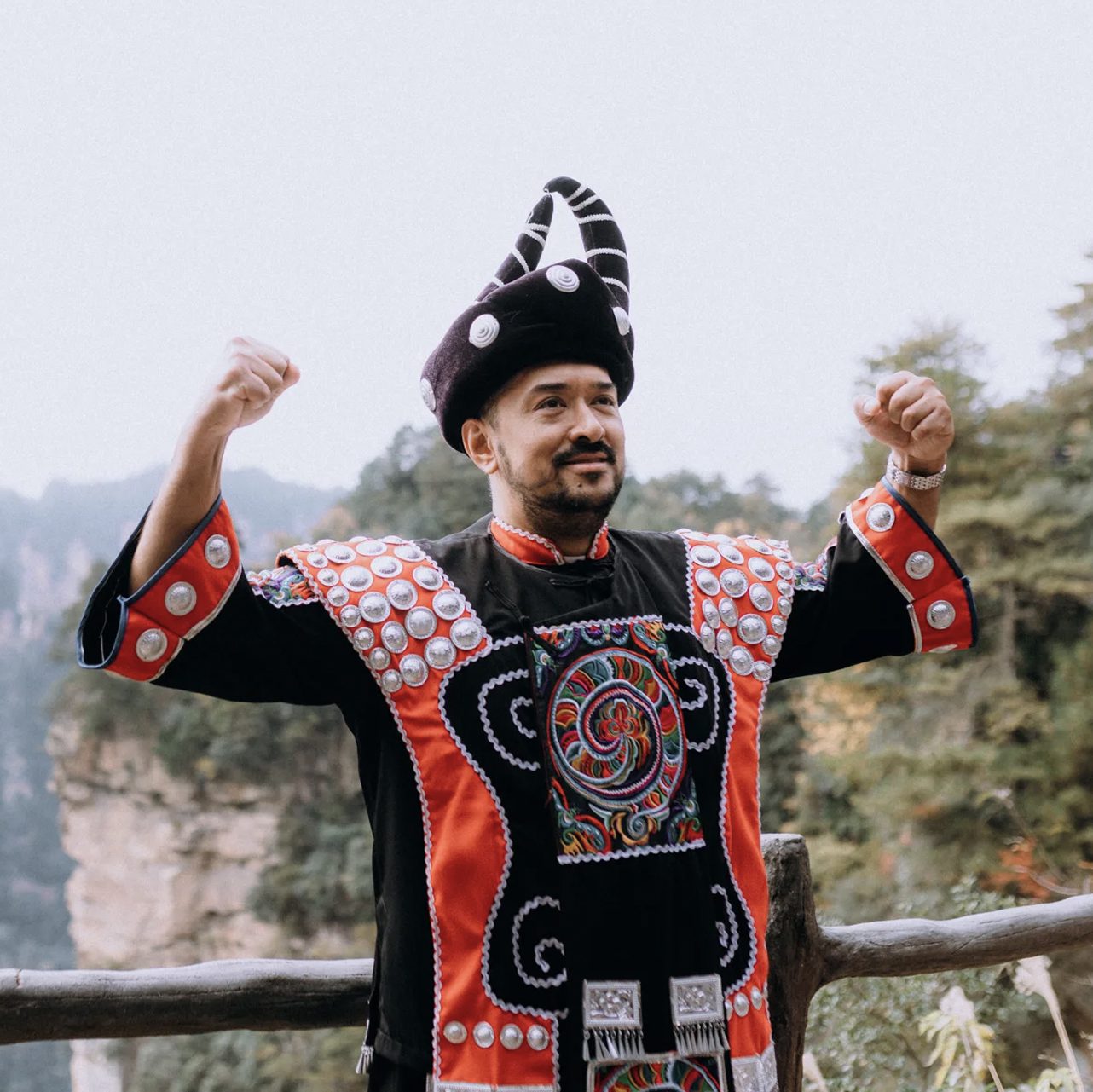
999 stone steps through the clouds to Heaven’s Gate, where every 100 steps symbolize one of five blessings: wealth, happiness, longevity, power, and success.
Hallelujah Mountain — the cliffs James Cameron brought into Avatar. You stand among them in real life, not on a screen.
The longest and highest glass bridge in the world — the entire Zhangjiajie canyon opens beneath the transparent floor. For the bravest, there is a 260-meter bungee jump, the highest in the world.
Furong — a town on a cliff above a waterfall, like a fairytale set with real people inside.
A hotel by the hot springs of the Avatar Mountains — you sink into warm water right on the hotel grounds.
5,500
EUR
Meals
Meals according to the camp program. Breakfasts and lunches, shared dinners on key days.
Transfers
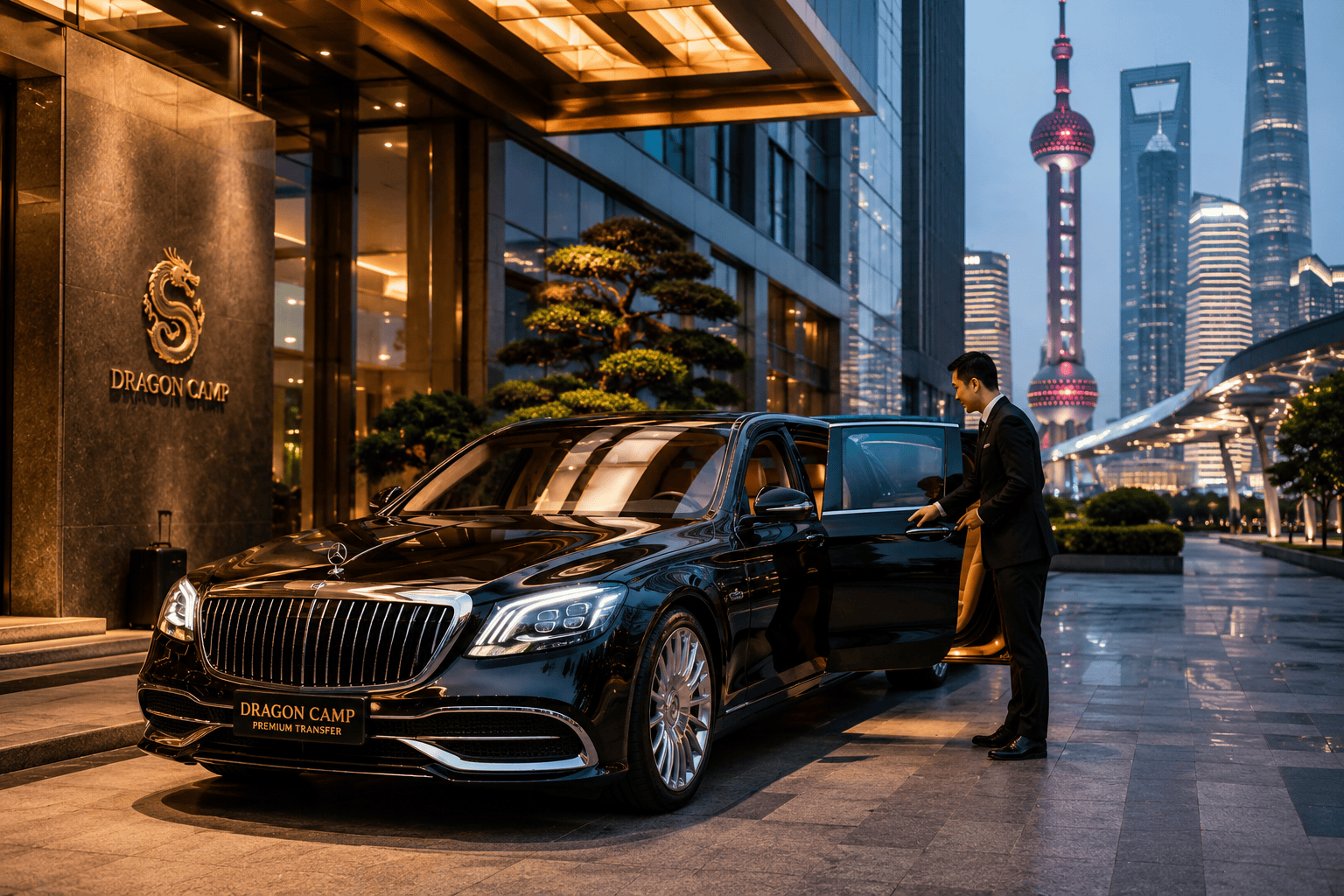
All internal transfers: private buses, transfers, domestic flights, and high-speed trains.

Excursions
All excursions and visits to landmark places.

Activities
Signature camp activities: practices, body and attention work, cultural and integration blocks.

Guides
Professional guides in every city on the route.

Host
The host accompanies the camp throughout, keeping the experience whole, rhythmic, and deep.
Hotels
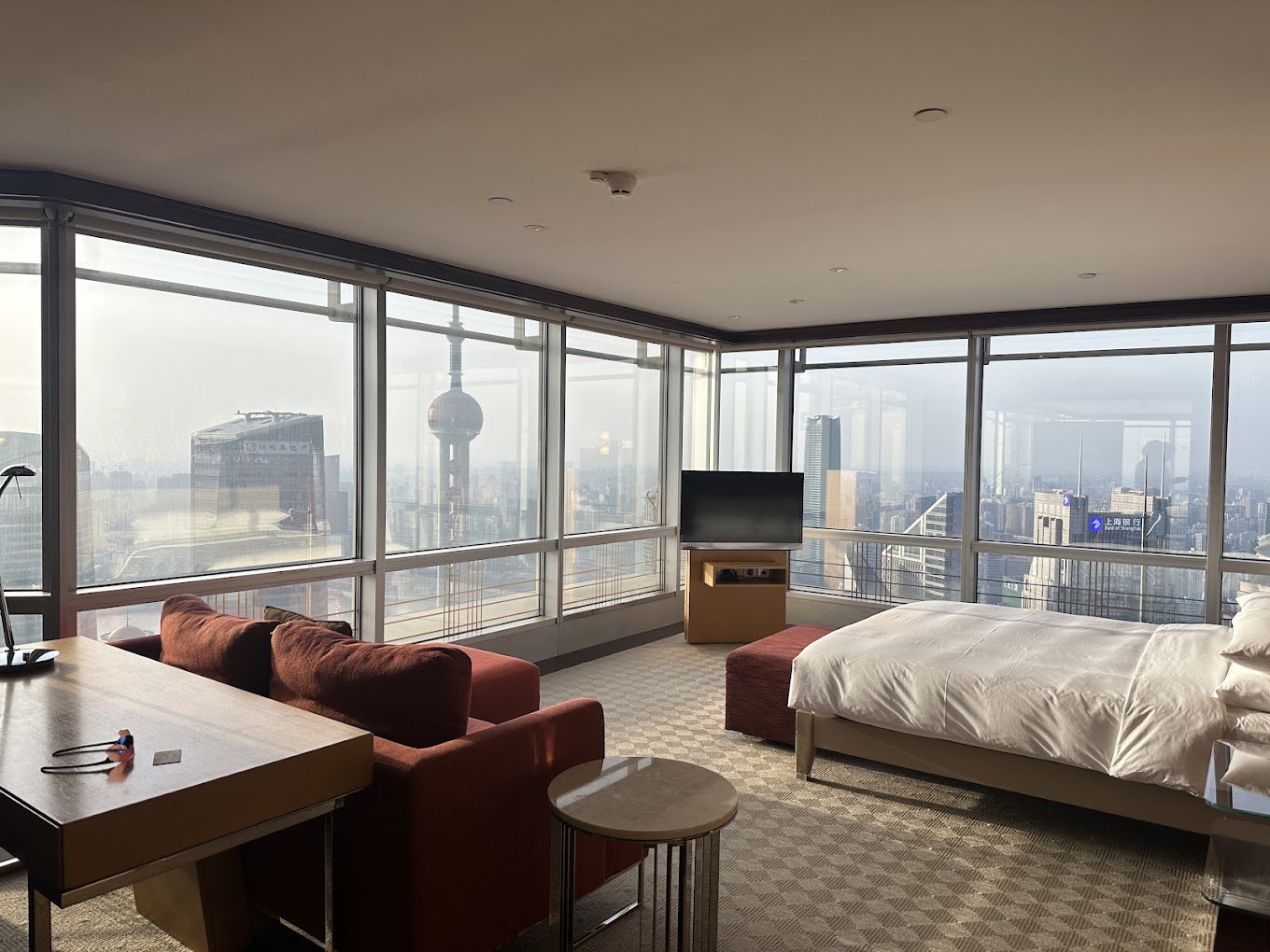
Accommodation in premium hotels carefully selected in each city on the route.
Business Networking
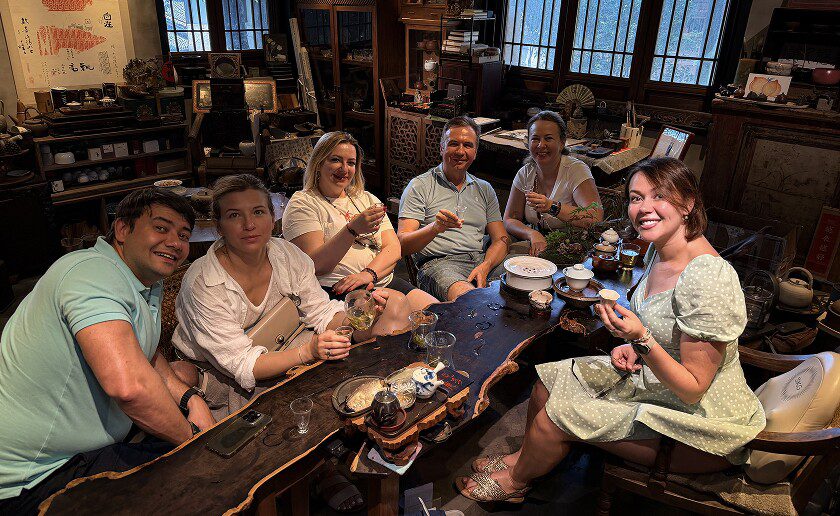
Building a community and connecting with active, valuable entrepreneurs on an international scale.
€5,500 per person. Included: hotels, meals, the domestic Shanghai to Zhangjiajie flight, all program activities, meetings with entrepreneurs, and personal support from the camp organizer.
I am Olena Fedorova, a Chinese philologist, Oriental studies specialist, and Chinese language interpreter. I lived in China for many years: I studied there, taught at a Chinese university, and worked in the local environment, observing the culture from within rather than from a tourist perspective.
At the same time, my path has been closely connected with the West, its mindset, business culture, and approach to life. It was at the intersection of these worlds — Eastern depth and Western diplomacy — that the idea of Dragon Camp was born.
Personal support from a sinologist who lived in China for years, from the first day to the last. Your circle is 20 entrepreneurs, not random tourists. With the people beside you, you speak the same language of business — and this is where partnerships are born that usually take months to find.
You enter places tourist buses never reach. A private showroom in a 1920s mansion, a robotics laboratory, personal conversations with entrepreneurs already living in China — access that no tour package can offer. You unpack not the technologies themselves, but the logic of thinking that created them. The curators and entrepreneurs you speak with in person explain not “what this is,” but “why it worked” — the discipline, speed of decisions, and planning horizon that brought China to this leap.
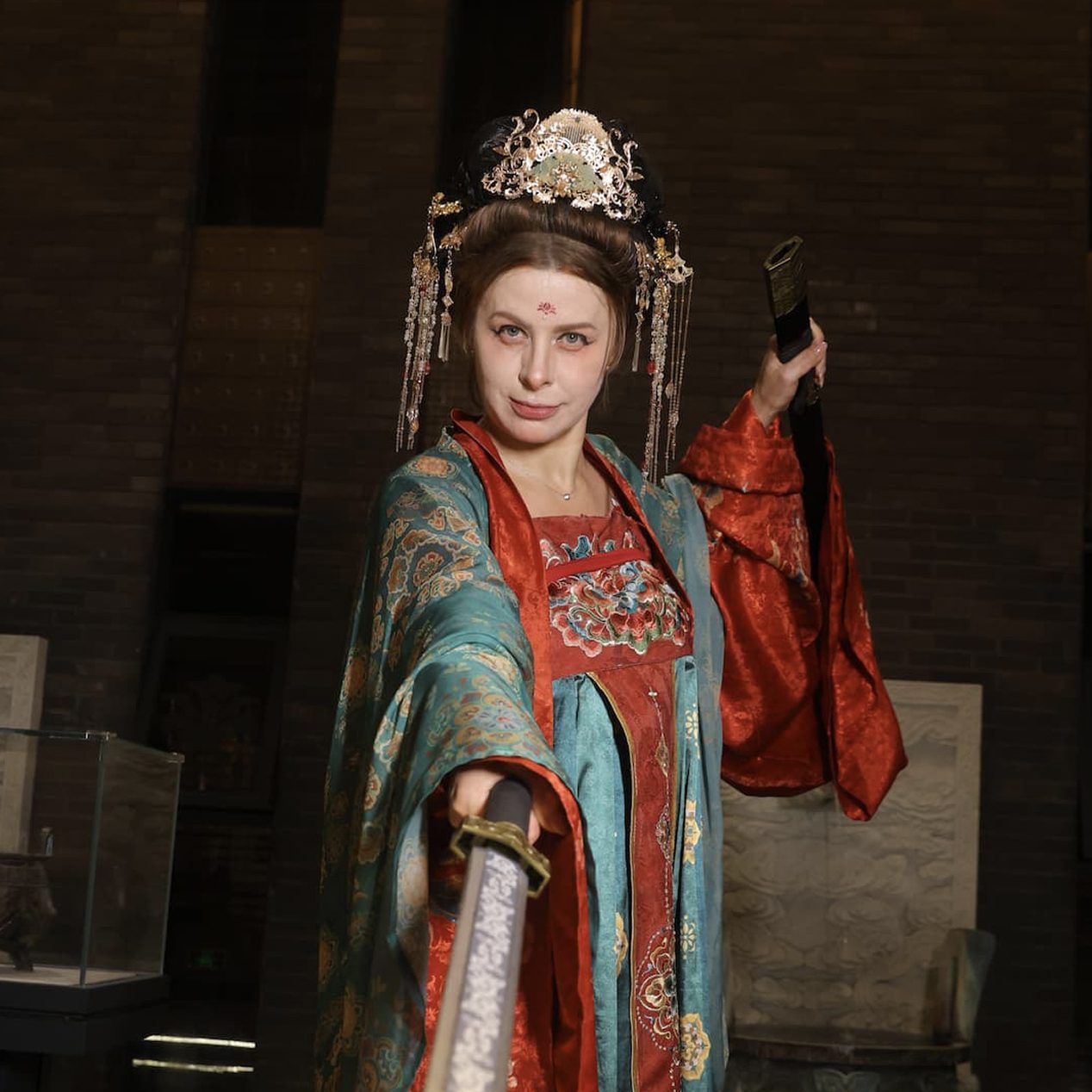
The best way to understand Dragon Camp is through those who have already experienced it.
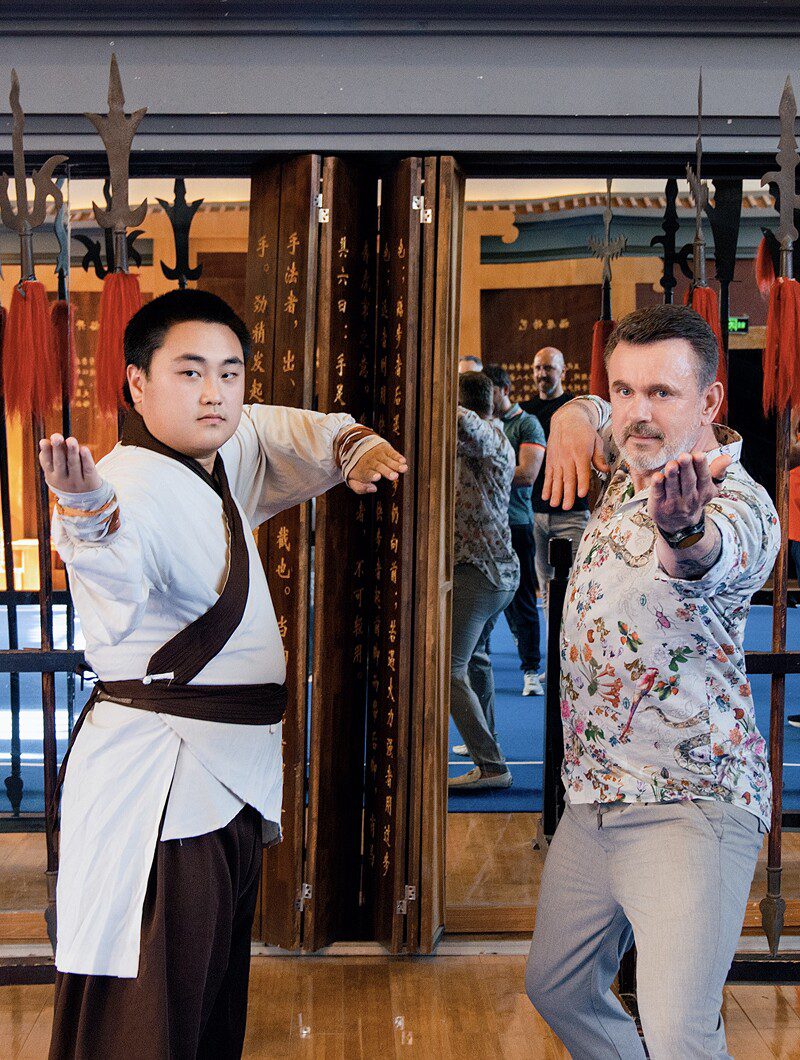
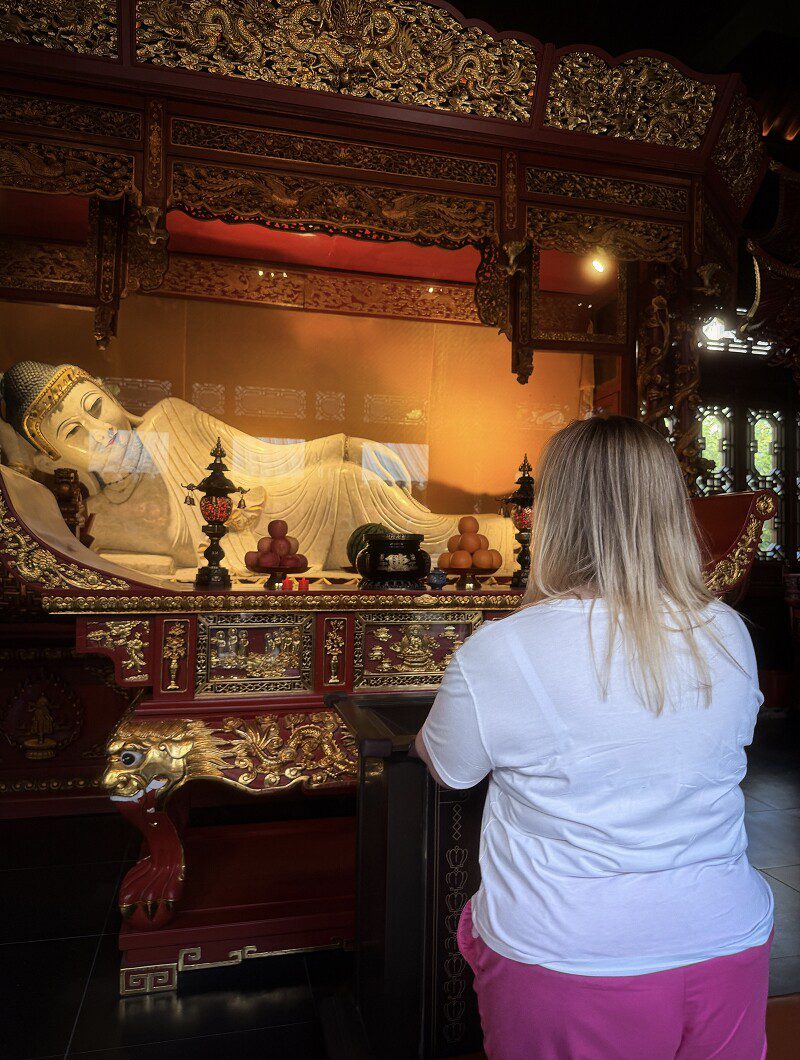
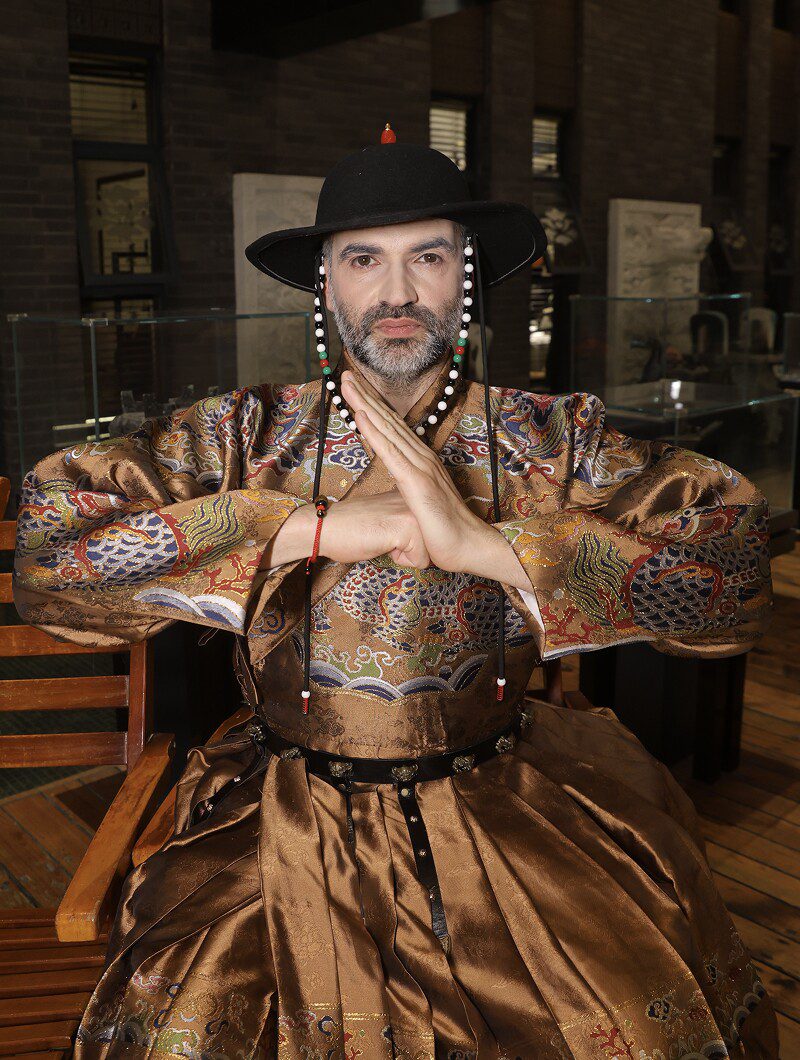
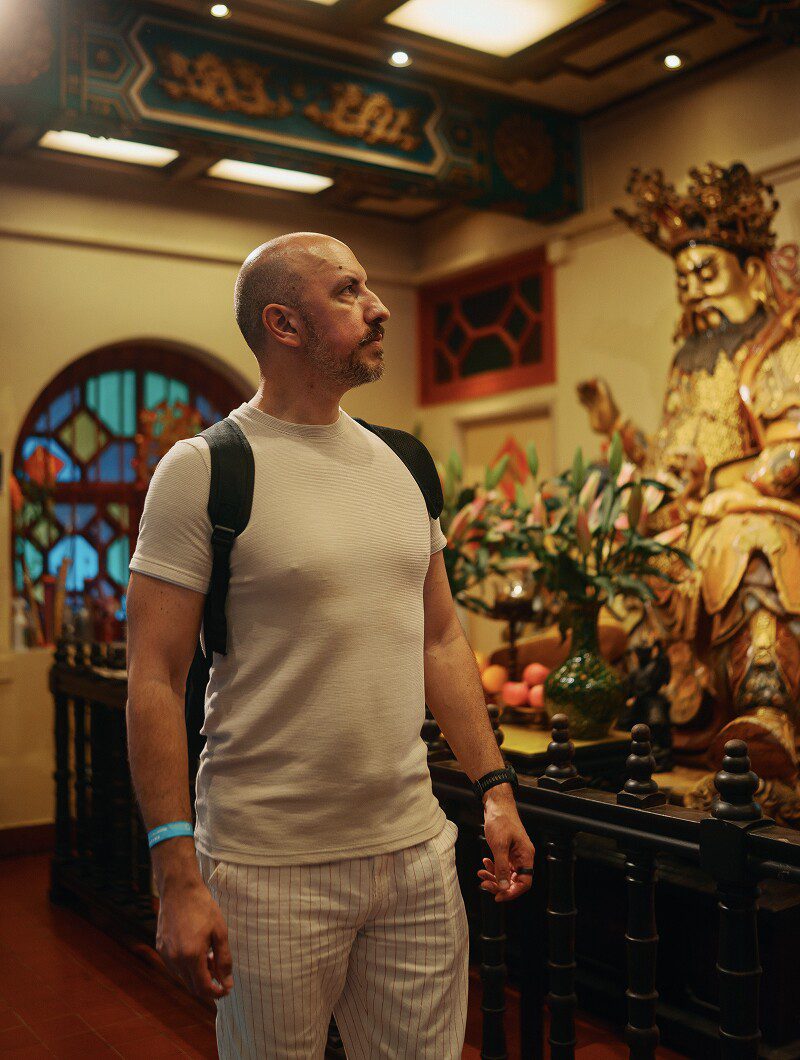
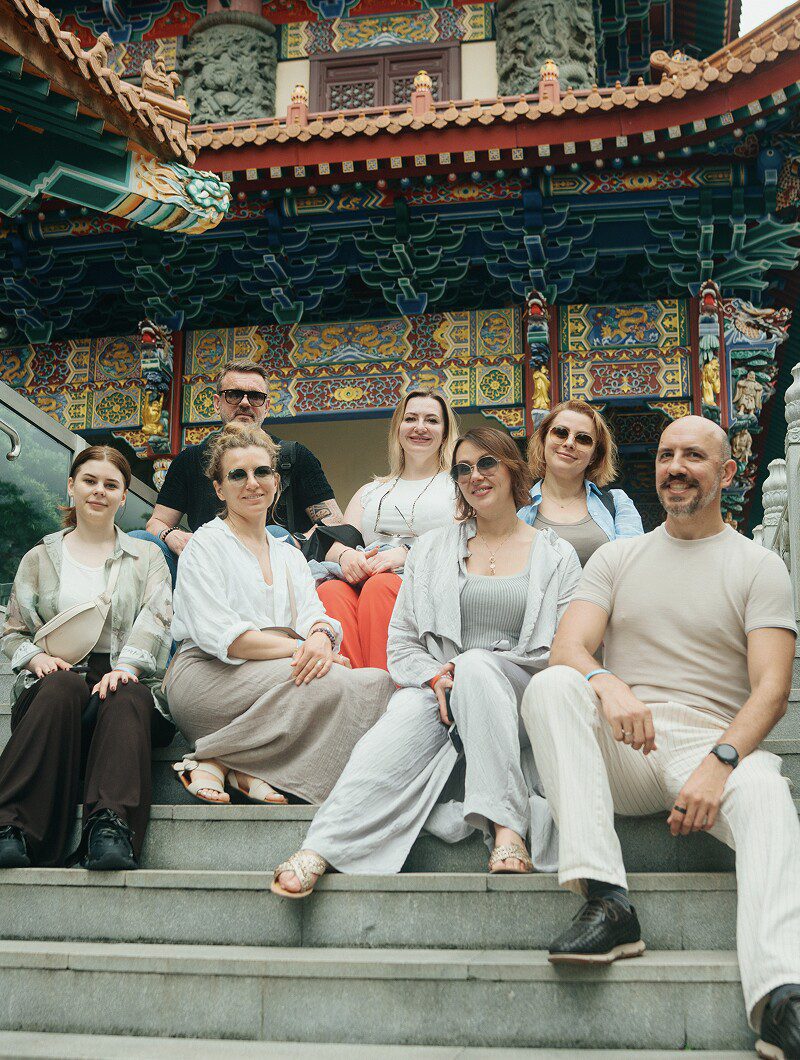
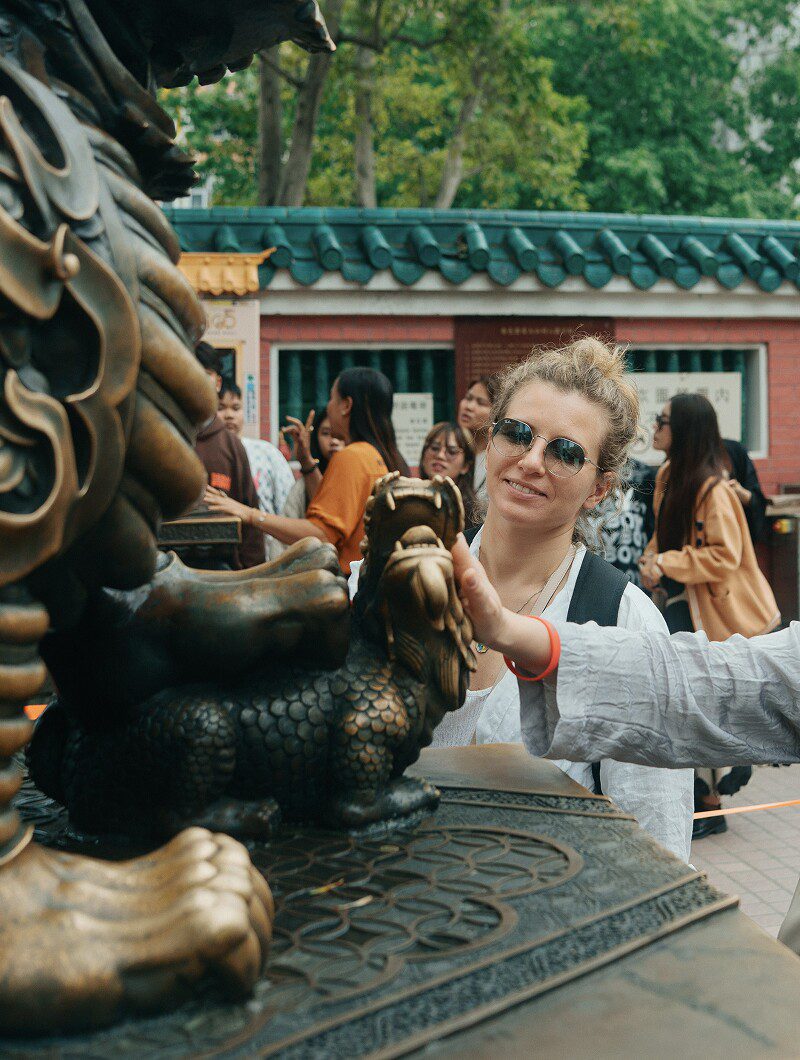
See what the camp looks like: cities, people, practices, and moments that stay with you for a long time.


No, knowledge of Chinese, Japanese or English is not required. Participants are accompanied by the Dragon Camp team throughout the entire trip, and translation services are provided during excursions, meetings, and activities. Basic English may be useful during free time, but it is not necessary for comfortably participating in the program.
A valid international passport is required to participate in the trip. Visa requirements depend on your destination and citizenship. Before your trip, we will be sure to verify the current requirements specifically for your passport, as rules may vary and are subject to change.
The best time to visit China is in spring and autumn, when the unbearable heat is gone and the piercing winds have not started yet. That is why we prepare our trips for May and September/October — the ideal time to explore Eastern culture and philosophy.
Curious, open-minded people who value comfort and share our values travel with us. Many of our guests are successful business representatives who want to immerse themselves in the atmosphere of the World's most interesting countries and cities.
A group usually consists of 15–20 people who, after our bootcamp, invariably become close friends for life.
Chinese and Japanese cuisines are among the richest and most delicious in the world. We will not make you try grasshoppers or scorpions unless you want to. We expect you will be pleasantly surprised by the variety and richness of Chinese and Japanese cuisines.
Our manager is always in touch to clarify all questions related to tickets and visas. We also send a detailed guide with recommendations on how to prepare for the trip — from choosing suitable clothing to weather information. Before the trip, we invite you to a shared chat where you can meet the other participants and discuss all details.
We offer several payment options so you can choose the most convenient one: 1. FOP invoice in Ukraine. 2. Card payment by link, including Apple Pay. 3. USDT. 4. Cash at our Berlin office. 5. Payment to a Chinese company in yuan, dollars, or euros. You can pay a 50% deposit when booking and the remaining 50% 30 days before the tour starts. Full payment at once (100%) is also possible.
By default, a tour booking is non-refundable, but we always do our best to return any refundable funds if the trip does not happen for reasons on your side.
We will suggest the best flight options based on the airport that is most convenient for you to depart from.
The program is quite intensive, so it is not designed for small children under 7. You should understand that this is not a beach holiday, but an active and exciting journey. We recommend bringing children only if they are ready for an intensive program.
No special physical preparation is required. Our trip is organized to suit people with different fitness levels, so you will be comfortable without any extra training.